



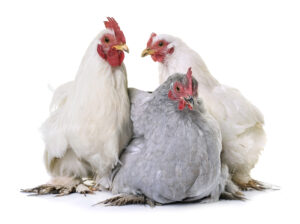
Poultry
Chicken production continues to accelerate, with weekly output up 1.2% and running 3.3% above the same week last year, pushing year-to-date production 3.1% higher. Despite this supply growth, markets weakened across key cuts like wings and boneless breasts, while egg prices remain historically low with upside risk tied to incomplete flock recovery. Forward indicators remain strong, with broiler chick hatch up 3% y/y and the broiler layer flock 1.2% larger as of April 1, signaling continued supply expansion.
Outlook: Supply-side momentum should keep chicken pricing stable to lower in the near term. However, eggs and wings remain the most exposed to volatility as demand tightens and supply recovery lags.
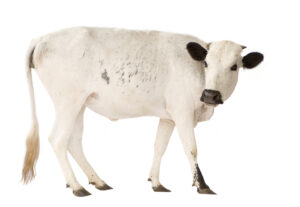
Beef
Weekly beef production increased 2.9%, narrowing the year-over-year decline to 2%, but broader supply remains constrained with year-to-date production down 5.4%. Cattle slaughter is still tracking nearly 10% below last year, and reduced cow and bull slaughter (down 5.1%) continues to tighten lean trim availability. Cutout values moved higher across the week, led by briskets and flanks, reinforcing underlying supply pressure.
Outlook: Structural supply constraints will continue to support elevated beef pricing, particularly in lean trim and ground beef channels. Herd rebuilding dynamics suggest limited downside risk in the near term.
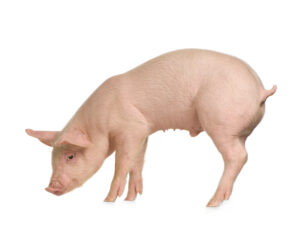
Pork
Pork production declined 0.5% week over week but remains 2.8% above last year, with year-to-date output slightly exceeding 2025 levels. The pork cutout trended higher, supported by gains in butts and ribs, while bellies fell to 10-week lows, reflecting shifting demand dynamics. Sow slaughter rates are at multi-year lows for this period, indicating herd retention and future supply expansion.
Outlook: Near-term pricing should remain balanced with variability across cuts. Improved herd dynamics point to increased supply availability later in 2026 and into early 2027.
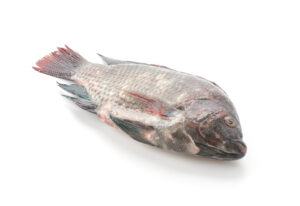
Seafood
Tilapia prices increased more than 7% in February, continuing a pattern of significant month-to-month swings following a 10% decline in January. The category remains highly volatile, with pricing typically rising into March or April before trending downward. Current movement reflects a seasonal rebound from historically low levels.
Outlook: Expect continued volatility in the near term with a likely seasonal peak in spring. Pricing should trend lower into early summer as typical seasonal patterns resume.

Produce
Roma tomatoes are holding near $40, while iceberg lettuce is experiencing renewed upward pressure due to supply gaps during the Yuma-to-Salinas transition. Onion markets are being driven by volatility in whites tied to new crop supply, though the spike is expected to be short-lived. Weather disruptions and regional supply imbalances continue to drive short-term pricing variability.
Outlook: Lettuce pricing is likely to test or exceed recent highs before normalizing as supply stabilizes. Onion markets should ease in the near term as transitional supply pressures resolve.

Dairy
Cheese blocks, barrels, and nonfat dry milk posted gains last week, while butter and whey declined amid increasing milk supply. March milk production rose 2.3% year over year, supported by a milk cow herd expansion of approximately 270,000 head since early 2025. This structural supply increase is contributing to more balanced market conditions despite steady demand.
Outlook: Expanded milk supply should limit upside volatility across dairy markets. Export demand trends, particularly for cheese, will be a key variable to monitor in the coming months.

Grain
Wheat remains the primary driver in the grains complex as drought conditions intensify, with severe drought impacting 29% of acreage and extreme drought rising to 14%. While some rainfall is expected, it is unlikely to materially improve crop conditions in the most affected regions. Soybean markets stabilized following recent volatility, but overall grain pricing remains elevated.
Outlook: Wheat prices are expected to remain supported in the near term due to worsening crop conditions. Longer-term pressure may emerge as export demand softens in the upcoming marketing year.