




Poultry
Chicken markets remained generally favorable for buyers last week, even as production signals suggested some slowing ahead. For the week ending September 5, output was up 1.8% from the previous week and remained more than 2% above 2025 year to date, but several key items continued to soften: breasts, wings, leg quarters, and WOGs were lower, while tenders were flat and thighs moved higher. Notably, breasts, tenders, and wings are all trading at least 26% below year-ago levels, while rising feed costs are pressuring producer margins.
Outlook: Slowing supply growth could help support poultry pricing through the fall and become more noticeable as markets seasonally strengthen this winter.

Beef
Beef production tightened again last week, with output down 3.8% from the previous week and 10.8% below the same week last year, largely due to the holiday. On the pricing side, the USDA Choice cutout moved higher, while Select was lower, and trim markets were mostly softer, with 50% lean beef trim at its least expensive level in 20 months. Longer term, any herd rebuilding effort continues to face a major obstacle in poor pasture conditions, which currently rank among the worst seen for this date in more than 30 years.
Outlook: Beef supplies may remain constrained near term, though continued cattle imports from Mexico could provide some supply relief in 2027.

Pork
Pork production was relatively light last week, falling 0.7% from the previous week and 10.1% below year-ago levels, while 2026 year-to-date output is up just 0.1%. Even with tighter production, the USDA pork cutout fell more than 3% on the week, driven primarily by an 18% drop in the belly primal, and overall cutout values were 19.9% below the same week last year, with bellies down 33%. Trim markets remain especially attractive for foodservice buyers, with a typical 70% pork blend near some of its cheapest levels in more than two years.
Outlook: Seasonal weakness suggests pork, especially trim, could face additional downside through the fall into December.

Produce
Produce was mostly steady last week, with no major disruptions across the key categories. 48-count Hass avocados declined for a fifth straight week and are expected to stay under pressure into at least early October, while 25 lb. large roma tomatoes and 24-count iceberg lettuce both continued to rise, though at a slower pace. Yellow and white onions have edged higher recently but are expected to show some moderate downside into November, while red onions should remain relatively stable through year end.
Outlook: Produce pricing should stay mostly manageable near term, but tomatoes and lettuce are still biased higher heading into early November.

Dairy
Dairy markets were mixed last week, with CME cheese blocks, barrels, and butter all lower, while whey and nonfat dry milk moved higher. Butter is now approaching five-year lows, even as nonfat dry milk sits near three-month highs, helped by firmer international skim milk powder pricing. Export demand remains a bright spot: in July, U.S. butter exports were up 2.4% year over year, while cheese exports jumped 25%, both strong results despite heavy domestic production.
Outlook: Ample milk and cheese supplies should keep most dairy markets well supplied, though export strength may help limit downside in select categories.

Grains
Grain markets turned in another weak week, with Friday’s trade driving most major contracts deeper into negative territory. Corn softened after the USDA’s production forecast came in close to expectations, though the agency’s balance sheet adjustments still pushed the U.S. stocks-to-use ratio below 10% for the first time in four years. While technical pressure could weigh on prices in the short run, underlying supply fundamentals remain historically tight both domestically and globally.
Outlook: Grain markets could remain volatile near term, but tight balance sheets should help keep a floor under corn prices.
Seafood
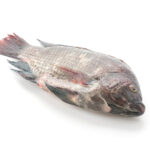
Seafood pricing was led higher by yellowfin tuna, which posted the sharpest move among the major species tracked. In July data, fresh yellowfin tuna rose 11.3% month over month and now sits 16.2% above year-ago levels, recovering much faster than expected after spring weakness. That rebound puts yellowfin in position to potentially reach a new year-to-date high in the next round of monthly data.
Outlook: Tuna prices may stabilize through the remainder of 2026 before the typical seasonal run-up heading into the new year.