




Poultry
Chicken output continues to run ahead of last year, though the pace of growth is clearly slowing. Young chicken slaughter was up 0.7% week over week and 0.3% above the prior year, bringing production for the week ending August 15 to 1.1% higher year over year. Year-to-date output remains 2.4% above 2025 levels, but after first-half growth of 4.2%, the market is decelerating, with Q3 production now tracking closer to 1% to 2.9% above last year as chick placements moderate and the May/June layer flock shrinks. USDA has raised its Q3 supply forecast to 2.9% above last year, which sets a fairly high bar for the market to absorb. Pricing was mixed on the week, with tenders, wings, whole birds, and leg quarters all softer, while boneless skinless breasts and thighs firmed, continuing the rotation that has defined this market for much of the summer.
Outlook: Ample Q3 supplies may keep near-term poultry pricing contained, but slowing production growth leaves the market exposed to upward price pressure once seasonal demand troughs pass.

Beef
Beef production ticked up 1.1% from the prior week but remained 4.5% below year-ago levels, pressured by a nearly 6% decline in cattle slaughter. Cattle futures saw brief intraday volatility following headlines around a potential discounted import arrangement, though the market largely recovered. The structural picture remains tight: the August 1 cattle-on-feed inventory was 1.8% above last year, but that reflects cattle spending more time in feedlots rather than any meaningful supply expansion. July feedlot placements fell 11% below 2025, pointing to continued tightness well into next year. At the retail level, July beef prices hit a record, running 9.4% above last year, with sirloin up 7.7% and ground beef up 10.1%, now 77% higher than January 2020. That pressure is accelerating consumer substitution into chicken, though wholesale ground beef did find some selective support during the week.
Outlook: Structurally tight cattle supplies, plunging feedlot placements, and record retail prices will keep the beef complex firmly supported through the fall regardless of short-term headline volatility.

Pork
Pork markets weakened broadly last week despite a modest production increase. Output rose 1.1% week over week but slipped 0.6% below the same week last year, leaving year-to-date production up just 0.4% as heavier hog weights continue to offset a 0.7% reduction in slaughter. The USDA pork cutout dropped nearly 3% on the week, with bellies tumbling 4.6% and now sitting 15.4% below year-ago levels. Hams and picnics were even more pronounced, trading more than 20% under last year, with only ribs managing gains. On the demand side, USDA trimmed its 2026 domestic per capita pork consumption forecast to 49.5 pounds, and given the soft summer performance so far, actual demand could land even lower.
Outlook: Seasonal headwinds and deep year-over-year primal discounts point to continued pork price softness and downward pressure heading into the fall.

Produce
Produce markets stayed generally stable last week, with the headline move coming from iceberg lettuce, which snapped a seven-week losing streak with an 11% week-over-week gain. That bounce followed a severe 82% cumulative decline concentrated mostly in the first half of July, so pricing is still hovering near the typical $10 per carton floor. Supply conditions across the broader produce complex remain comfortable with no major red flags on the horizon.
Outlook: Produce markets should stay generally steady in the near term, though iceberg lettuce pricing warrants close attention as its typical late-September rally window approaches.

Dairy
U.S. milk production in July climbed 2.2% year over year, fueled by a 2.1% expansion in the dairy cow herd while per-cow yields rose just 0.1%. Cooler weather and back-to-school fluid demand diverted milk away from manufacturing, leaving CME cheese blocks and butter as the only major categories in the red last week. Nonfat dry milk was the standout, rallying to nine-week highs on firming domestic and export demand. That move was reinforced by a 7.6% surge in skim milk powder at New Zealand’s Global Dairy Trade auction and a U.S. dollar that weakened to its lowest level against the euro since May, making American product more competitive globally.
Outlook: Strong global demand, international powder benchmarks, and a favorable currency backdrop will keep U.S. nonfat dry milk prices firmly supported even as cheese and butter tread water.

Grains
All major grain commodities finished higher last week, led by row crops following the Pro Farmer annual crop tour. Preliminary yield estimates came in below USDA August projections in six of the seven states surveyed, with notable corn shortfalls in top-producing Iowa and Illinois and soybean yield misses across Illinois, Indiana, and Ohio. That matters especially for corn, which is already entering the new marketing year with historically thin balance sheets. The combination of lean existing supplies and a potentially smaller-than-expected crop has meaningfully raised the stakes for the fall harvest.
Outlook: If Pro Farmer’s below-estimate yield findings prove more accurate than current USDA assumptions, corn and soybeans could see substantial long-term price upside driven by tightening balance sheets.
Seafood
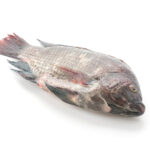
The seafood spotlight this week shifts to tilapia, which saw frozen fillet prices rise 6.5% month over month in June, marking the eighth consecutive monthly swing exceeding 6% in either direction. That level of volatility is notable on its own, but the June bounce is worth keeping in context: it followed an all-time low in May and was supported by counter-seasonally lower import volumes rather than a fundamental demand recovery. Overall volatility has begun to moderate as the market moves into its traditionally quiet demand period.
Outlook: Tilapia’s June rebound looks fragile as seasonal demand softens, pushing any full and lasting price recovery out to 2027.